Sustainability is more than just a goal for us

groku green values
They form our sustainability strategy and define our thoughts and actions.

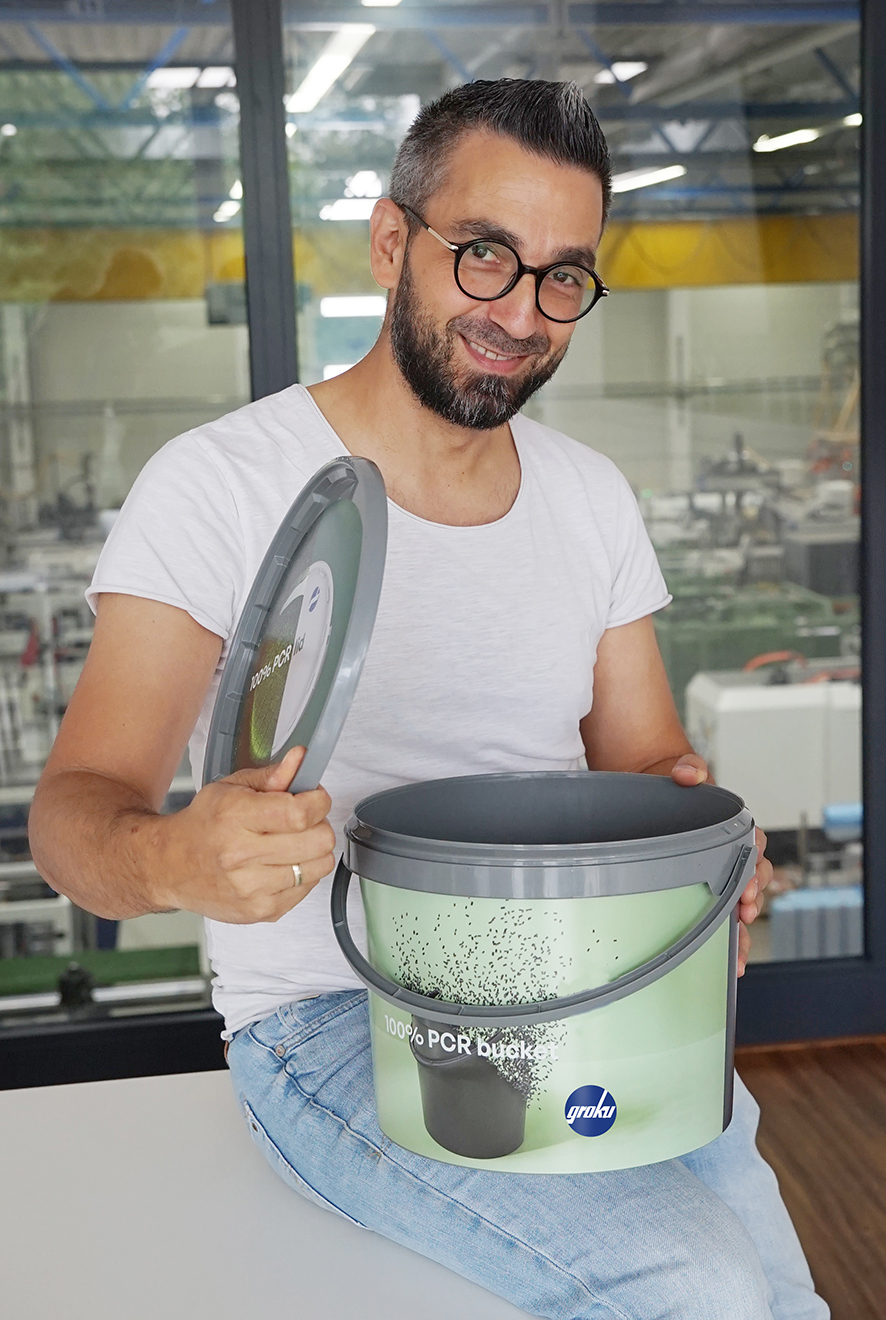
Sustainability is our way into the future
At groku, we are actively committed to sustainable solutions. Our goal is to develop packaging buckets with optimized material usage that meet the highest quality standards and specifically help conserve fossil resources.
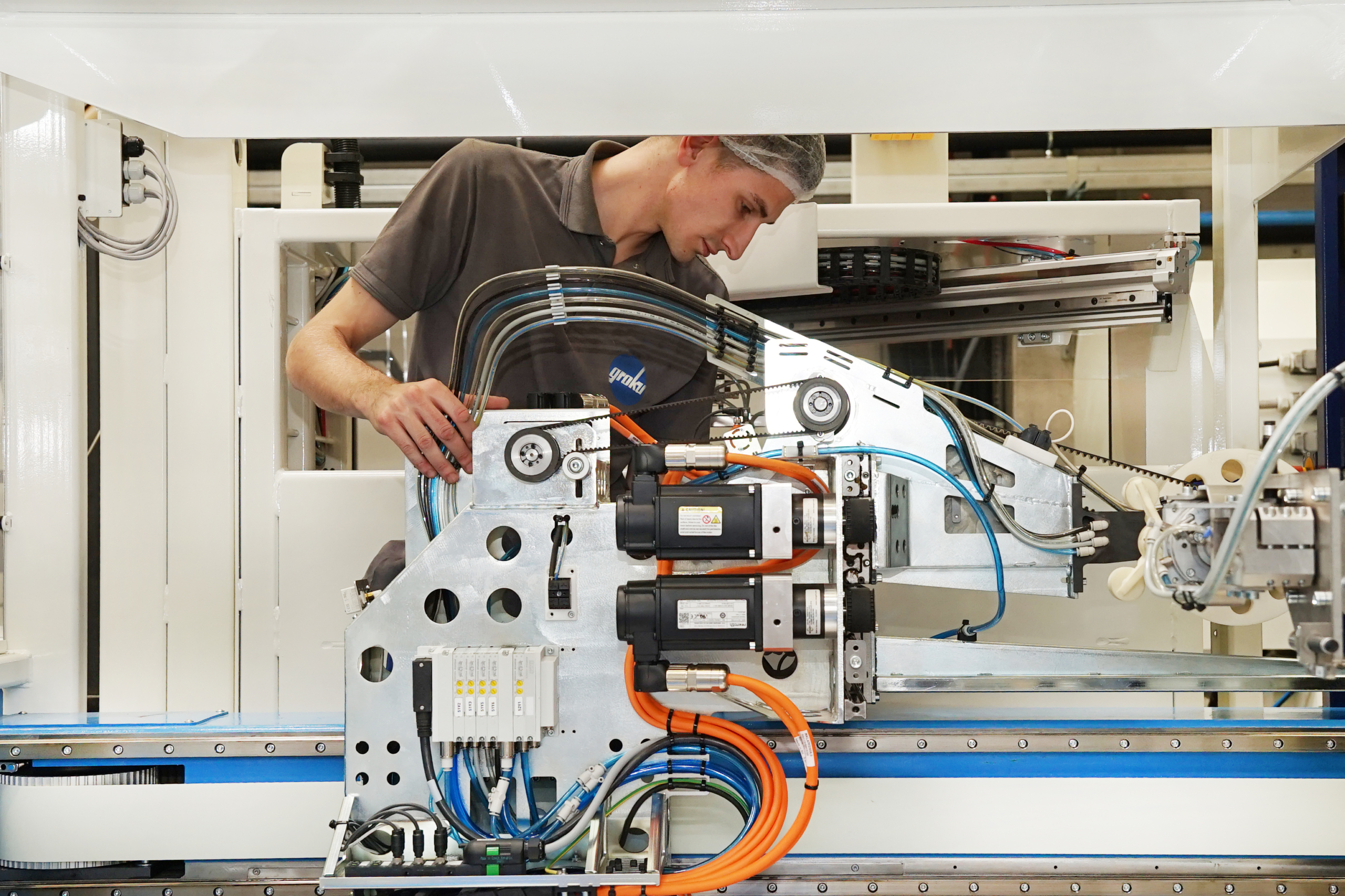
Innovative materials & resource-saving production
We are increasingly focusing on circular materials and secondary raw materials (recycled materials) that combine environmental responsibility with functional requirements. New materials enable specific product properties while reducing the environmental impact.
Through innovative developments, we continuously optimize weight and material usage – for even lighter, more efficient plastic packaging.

Energy efficiency & CO₂ reduction
We use state-of-the-art, energy-efficient technologies and machines to significantly reduce our energy consumption.
Our annual, verified Corporate Carbon Footprint (CCF) creates transparency about our CO₂ emissions.
As part of the Science Based Targets initiative, we are committed to reducing our CO₂ emissions by 40-50% by 2030 – without offsetting.

Sustainability standards & digital innovations
Our sustainability initiatives have been recognized with Ecovadis Bronze status.
We are developing a digital product passport for our plastic containers to ensure transparent material cycles.
Certification under EN 15343 confirms our commitment to recycling and the circular economy.
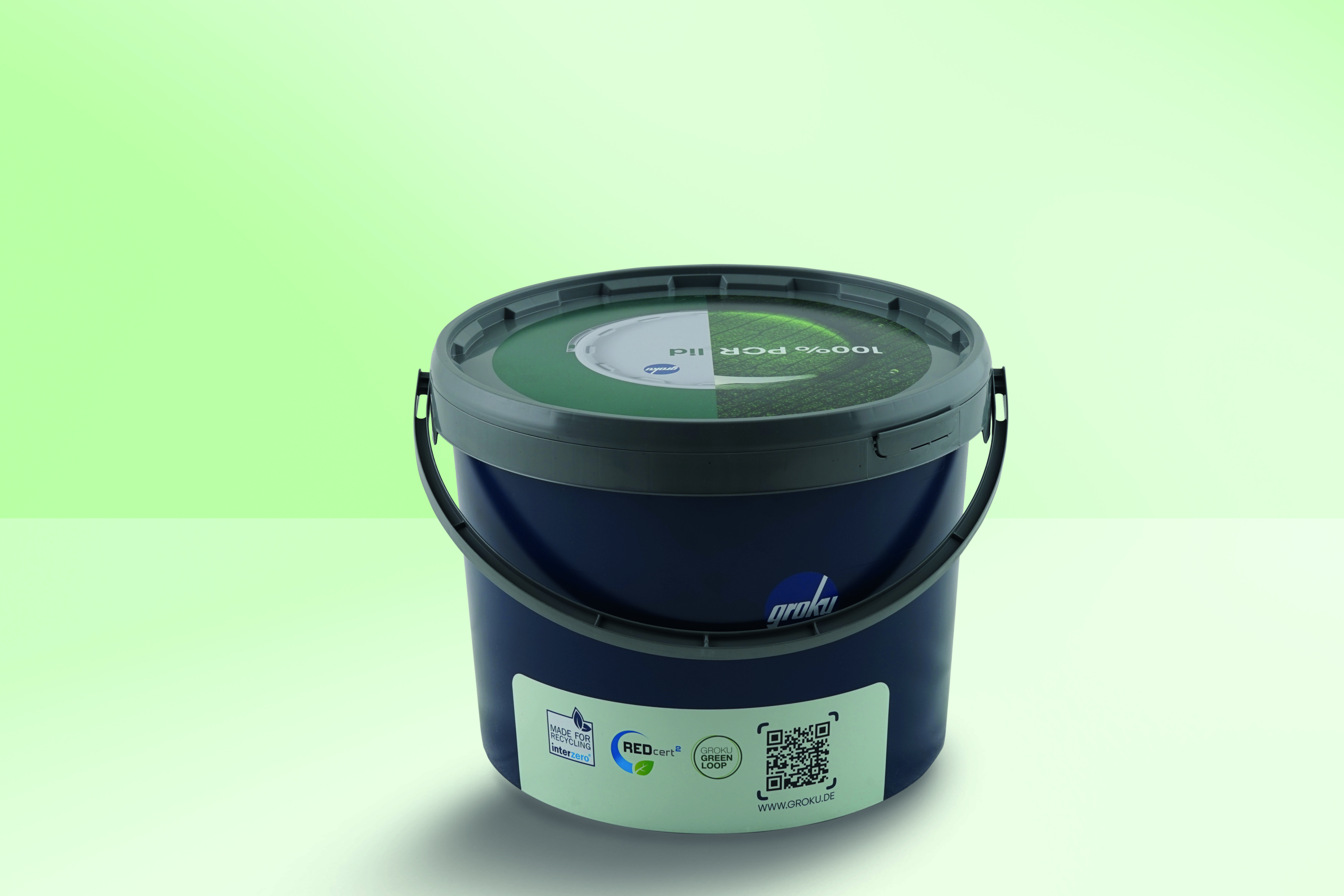
Made for recycling
Packaging from groku actively supports the circular economy. An independent assessment confirms the high recyclability – with results ranging from “good” to “very good”.
According to DIN EN 13430, the recyclable content is up to 100%—excluding printing inks and coatings. The official Interzero seal of approval applies to food and non-food packaging that has been certified accordingly.
We also focus on sustainability when it comes to decoration: our in-mold labeling (IML) has no negative impact on recycling. Paper labels, on the other hand, can limit recyclability.
Best Practices
Professional area
Sector: Paint and coatings industry
Supplier: groku Kunststoffe GmbH
Customer: Sigma Coatings (PPG lndustries)
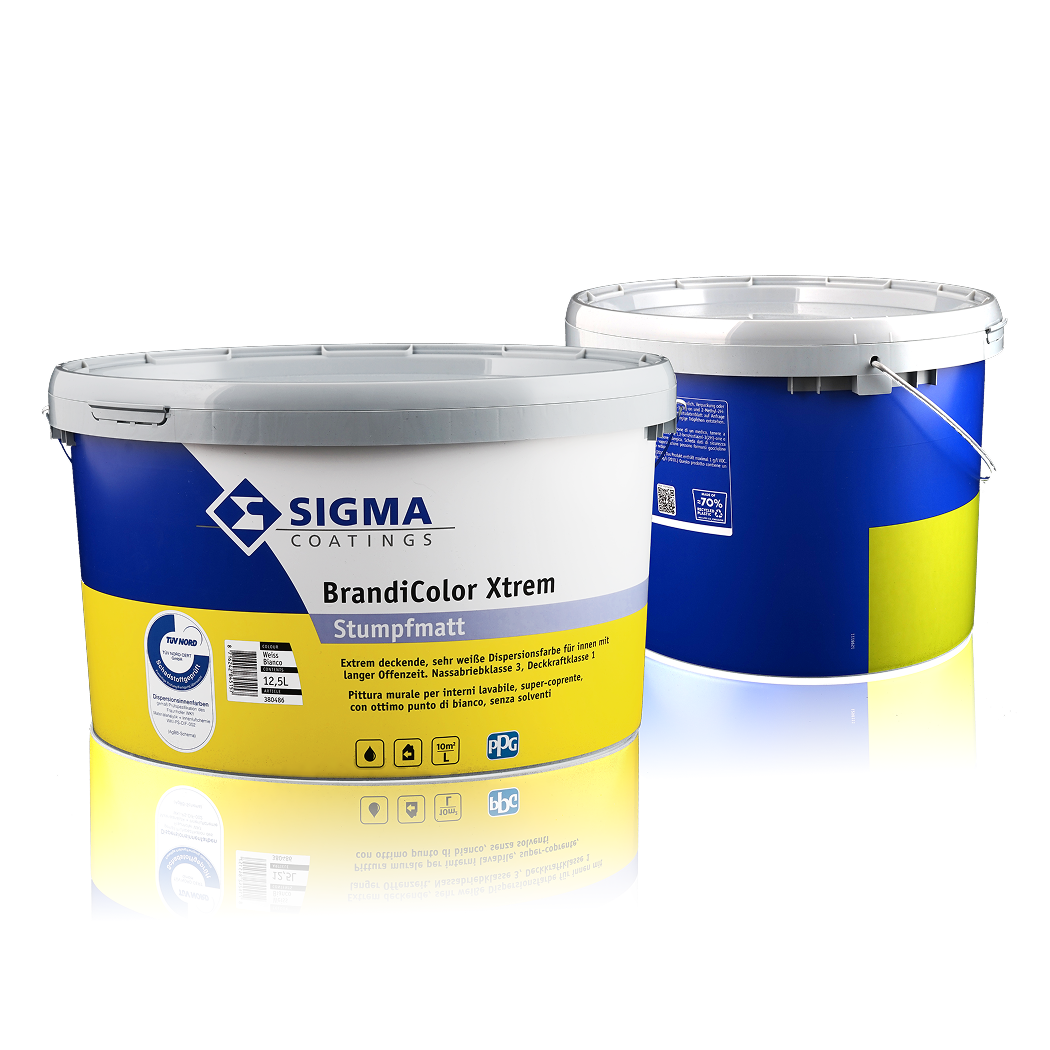
To take a big step forward in terms of sustainability, Sigma Coatings has dispensed with white plastic containers.
Instead, gray groku plastic buckets made from post-consumer recycled material are used for Sigma wall and façade paints and floor coatings.
DIY store
Sector: Paint and coatings industry
Supplier: groku Kunststoffe GmbH
Customer: DIY store (DIY sector)
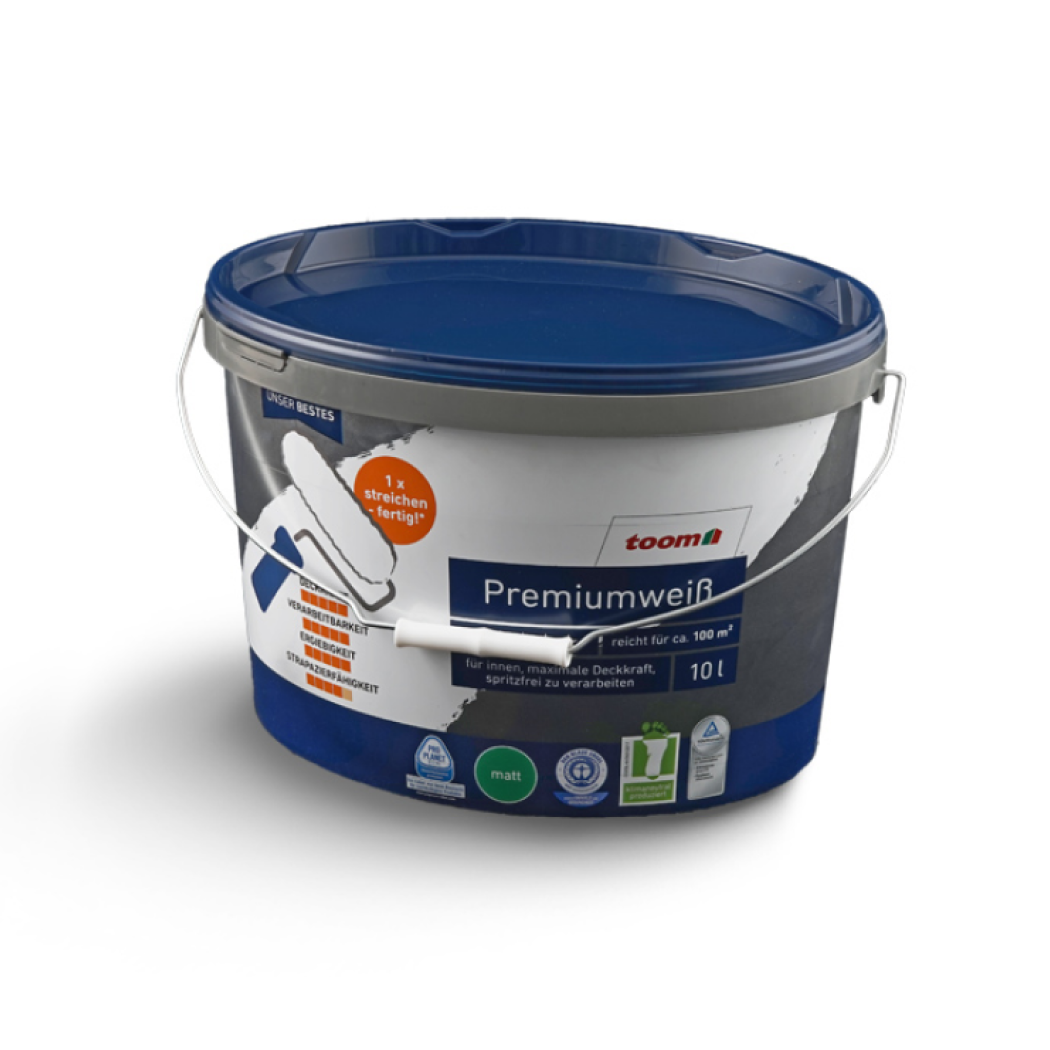
Since 2011, groku has been producing paint buckets for this customer in the DIY segment; the bucket bodies are made from up to 100% post-consumer recycled material (PCR) and are available in sizes ranging from 1 to 12.5 liters.
To date, millions of containers have been sold and sent for recycling and further utilization. This helps to reduce CO₂ and save raw materials.
DAW SE – DIY stores
Sector: Paint and coatings industry
Supplier: groku Kunststoffe GmbH
Customer: DIY store (DIY sector)
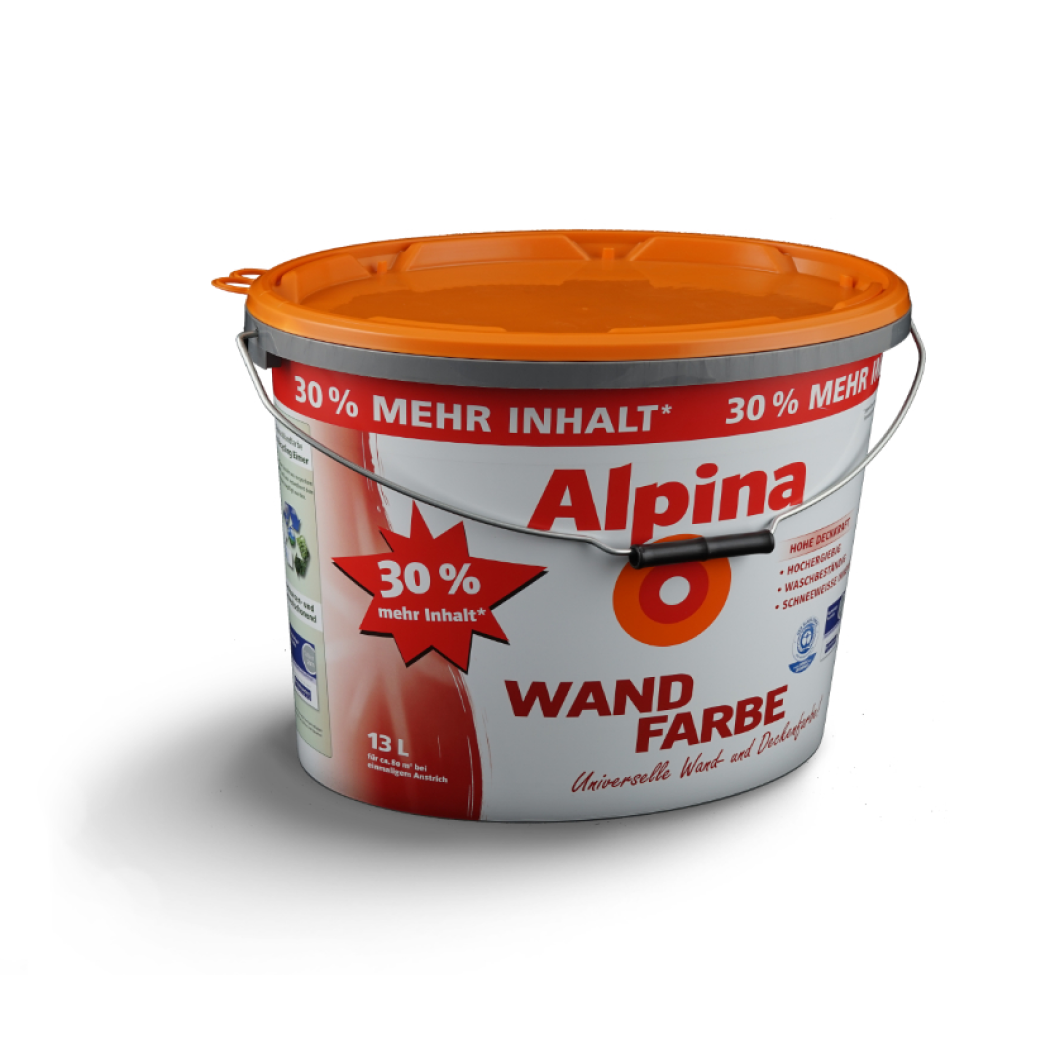
As a pioneer in the use of recycled goods, DAW with its “Alpina” brand has been using recycled packaging from groku for large containers for years – here a 15 L paint bucket.
Decorated using the in-mold labeling process with PP film: The combination of the PCR bucket and the PP label forms a single-material polypropylene composite. This allows the entire container to be fed into the established PP recycling stream without prior separation (up to 100% recyclable according to DIN EN 13430).